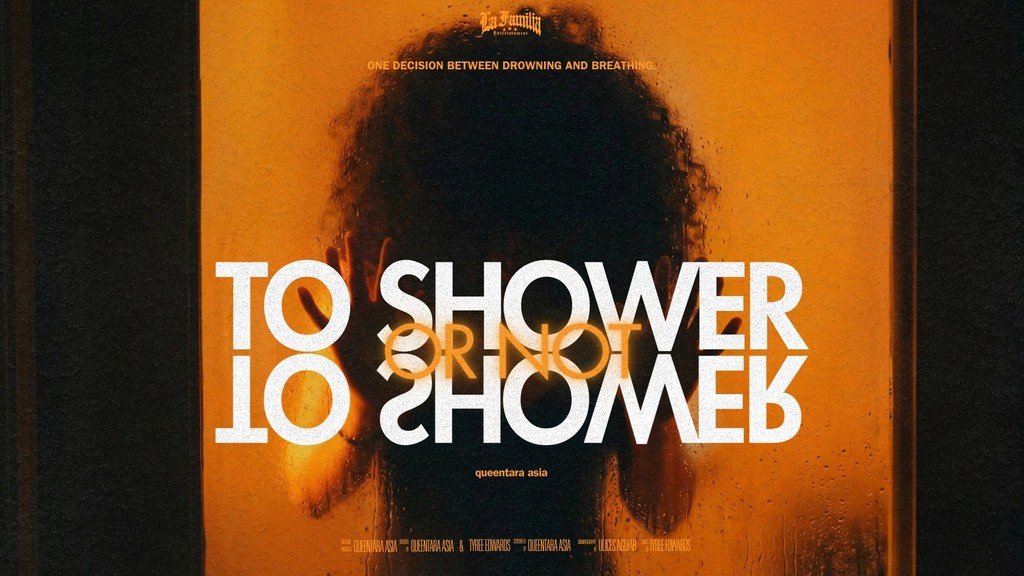
To Shower or Not to Shower | Short Film
Asia Queen — known artistically as queentara (yes with a lowercase "q") — a poet and multidisciplinary artist with a gift for turning the raw interior of human experience into language, approached our production company, "La Familia Entertainment," to bring her poem to life as a cinematic short film. "To Shower or Not to Shower" is a thrilling visual expression of poetry that lives inside one quiet, weighted question: do I get up today? A meditation on depression, paralysis, and the small, sacred act of deciding to keep on deciding — the film invites the viewer into an intimate moment of humanity and the complexity hiding inside the simplest of choices.
[Client]
Queentara Asia
[Year]
2026
[Services]
Short Film Production
[Catagory]
Entertainment
Project Objectives:
Translate Asia Queen's poem into a visually poetic short film that honors the raw emotional weight of the source material.
Depict the internal experience of depression — the paralysis, the spiraling thoughts, the small act of survival that is choosing to get up.
Demonstrate that powerful, cinematic mental health storytelling can be achieved through intentional craft rather than a large budget.
Project Scope:
Pre-production:
Collaborate closely with Asia Queen (Queentara) to interpret the poem, lock the script, and build a shot-for-shot storyboard from her original sketches.
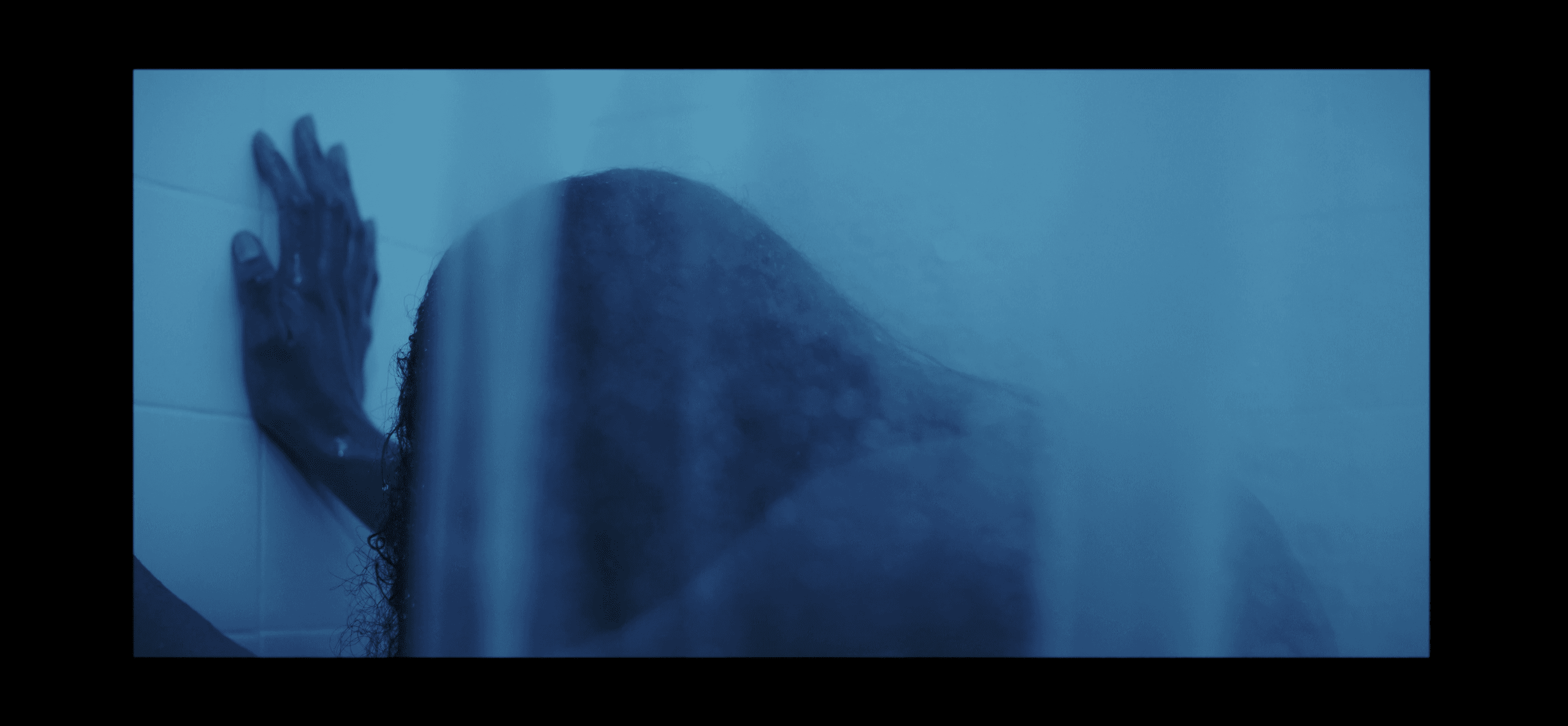
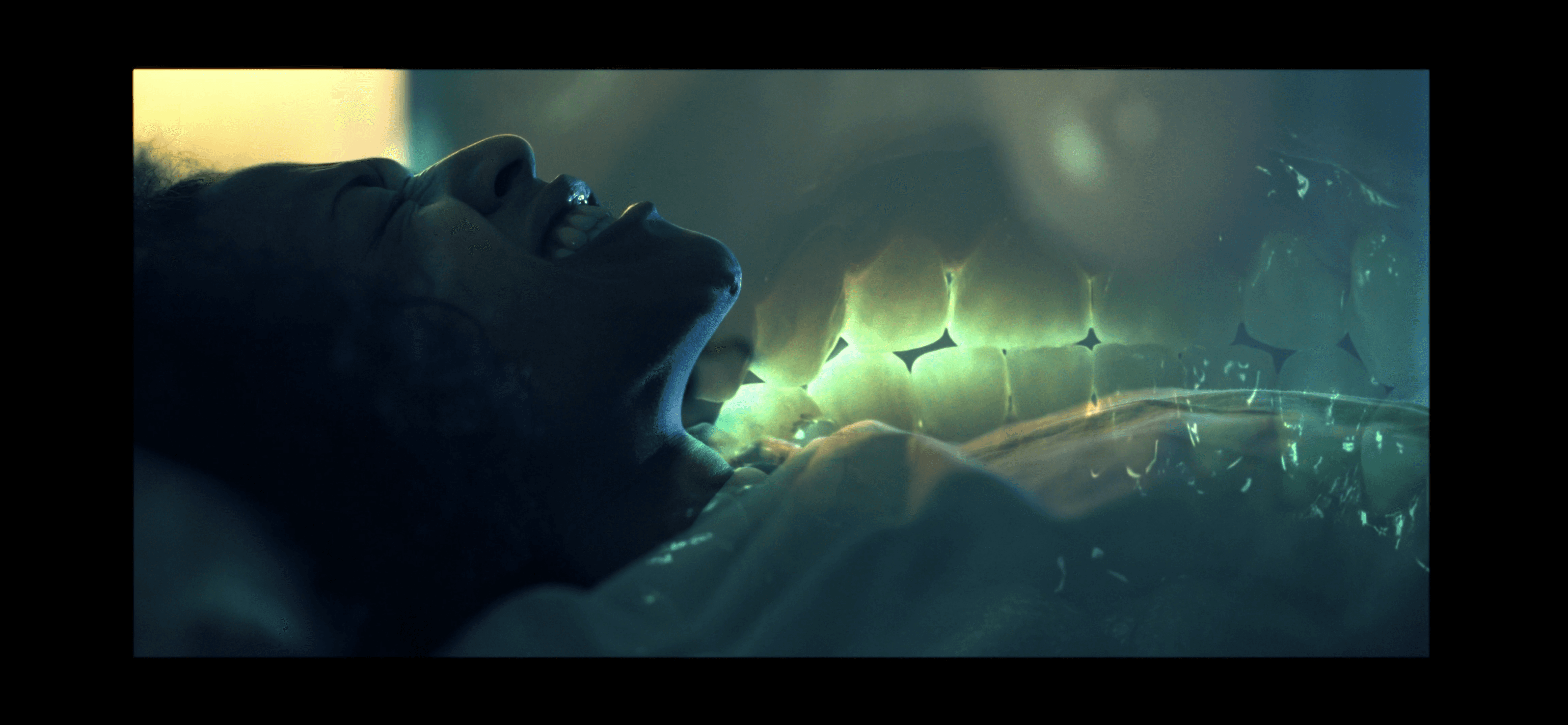
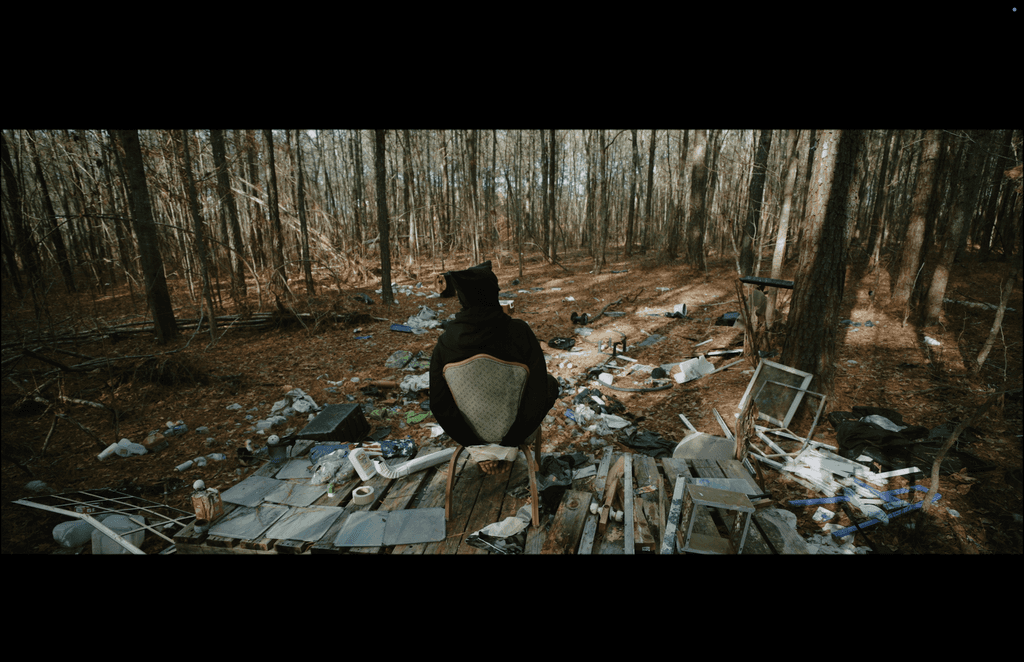
Develop visual concepts to externalize internal experience: a three-day time-lapse using silhouettes and an evolving moon cycle, a multi-shot phone call sequence, teeth-grinding overlays, and a "sunken place" trauma sequence.
Scout and secure a ground-floor location to allow for controlled exterior lighting and the day-to-night / night-to-day time-lapse passes.
Assemble a lean, intentional crew and finalize a shooting schedule that protected the emotional integrity of the performance.
Production:
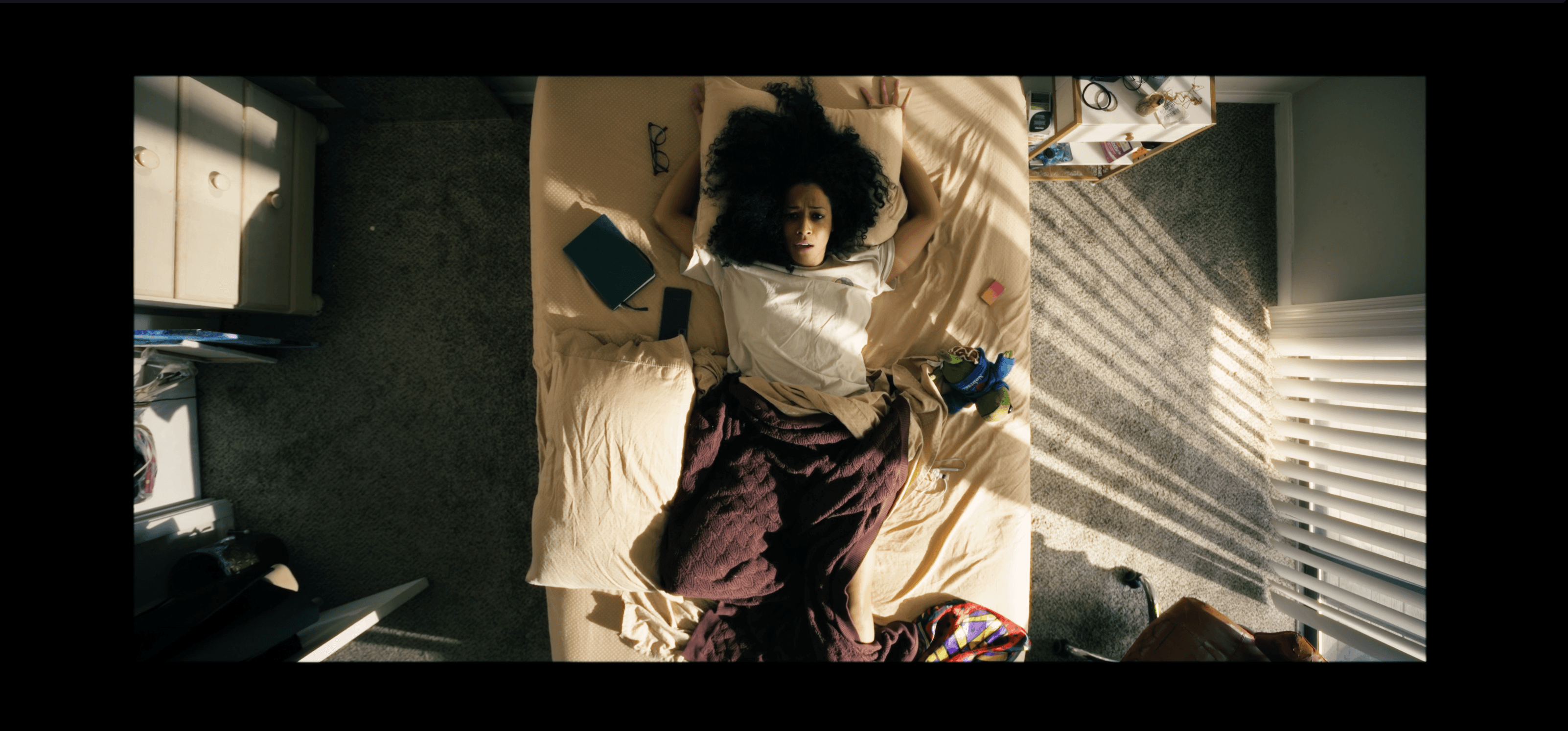
Shot on location in a practical bedroom environment to ground the viewer in the intimate, lived-in reality of the character's space.
Used compact LED lighting — including the Aputure Storm 80C — to control mood, sculpt silhouettes, and convincingly sell the day-to-night and night-to-day transitions through a window-driven time lapse.
Directed the talent to lean into stillness and restraint, letting silence, breath, and the body do the storytelling.
Captured a layered sound palette — sheets, breath, ambient room tone, distant city — to make the silence feel heavy rather than empty.
Post-production:
Edited the footage with patient pacing that mirrors the cadence of the poem and the heaviness of depression.
Leveraged AI-driven camera move and effects tools to execute shots that would have otherwise required gear and budget out of scope — including the macro zoom into the eyeball and the teeth-grinding overlay effect.
Designed and mixed sound to amplify internal chaos against external stillness, using the audio space to externalize the character's mental state.
Color-graded the film with a cool, desaturated palette through the "stuck" beats, warming into the final moments to subtly mark the shift from paralysis to choice.
Results: "To Shower or Not to Shower" became a deeply personal piece of poetic cinema that resonated with viewers navigating their own mental health journeys. The film served as both art and therapy for Asia Queen and elevated the LFE catalog as a home for emotionally honest, culturally rooted storytelling — proving that small, intentional productions can land with the weight of much larger ones.
Lessons Learned:
Proper Preparation Prevents Poor Performance — the depth of the pre-production conversations, storyboards, and location planning is what allowed the on-set days to focus entirely on performance and craft.
Small lights produce powerful results when wielded intentionally. The Aputure Storm 80C proved that controlled, well-motivated light can fully sell a time-of-day shift and carry the cinematic look of a much larger lighting package.
AI is a legitimate cinematic tool when used in service of the story. Shots like the zoom into the eyeball and the teeth-grinding overlay opened up creative possibilities that would have otherwise required budget and equipment outside of scope.
The most cinematic choice is often restraint. Stillness, silence, and silhouette did more emotional work than any technical flourish — a reminder that story always leads, and craft serves the story.